

UNDERSTAND YOUR OPTIONS
Repair, with your smile in mind.
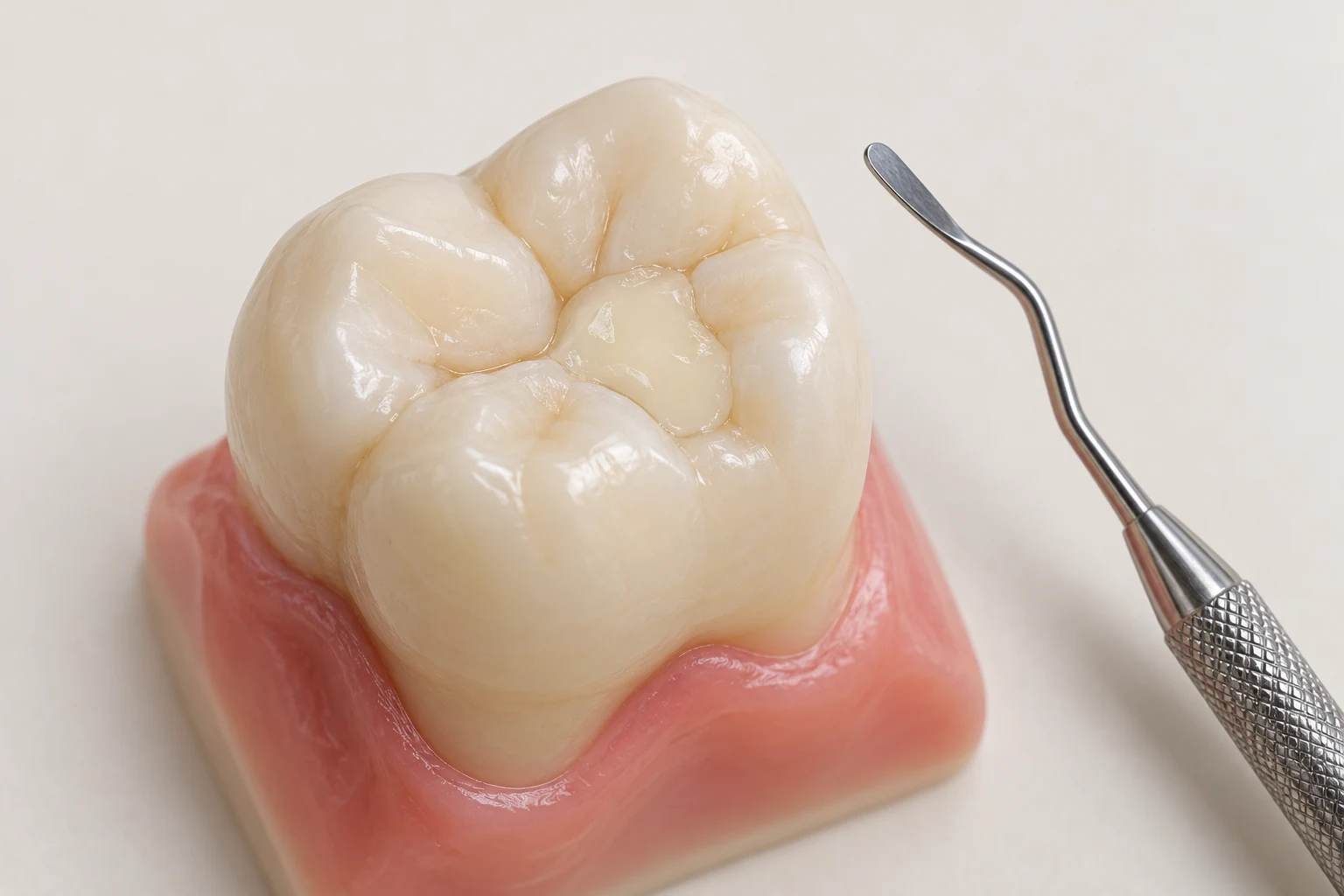
Tooth-colored restorations are dental procedures designed to restore damaged or decayed teeth while maintaining a natural appearance. Using materials like composite resins or porcelain, these restorations blend seamlessly with the surrounding teeth, offering a discreet and aesthetically pleasing solution. Commonly used for fillings, crowns, veneers, and bonding, tooth-colored restorations are durable and provide excellent strength. They are ideal for individuals who want to preserve the natural look of their smile while addressing dental issues such as cavities, cracks, or chips. The process is minimally invasive, ensuring that the tooth’s structure is preserved as much as possible.
WHAT THIS CARE CAN OFFER
Care, with a clear purpose.
Matches the natural tooth color
Minimally invasive procedure
Strengthens the tooth structure
AT YOUR CONSULTATION
Let’s talk it through.
Your dentist will examine your teeth, ask about your concerns, and explain the options that fit your needs. There’s time to ask questions before you decide.
Your dental healthTell us about your symptoms, previous treatment, and any medical information your dentist should know.
Your treatment planDiscuss the recommended care, alternatives, expected visits, and costs.
Your next stepsUnderstand preparation, aftercare, and follow-up before proceeding.
COMMON QUESTIONS
A little more clarity.
What is tooth-colored restoration?
Tooth-colored restorations are fillings made from composite resin that match the natural color of your teeth and are used to fill cavities or restore tooth defects.
How long do tooth-colored fillings last?
Tooth-colored fillings generally last between 5 to 10 years depending on the location and usage of the tooth.
Are tooth-colored restorations more expensive than silver fillings?
Yes, tooth-colored restorations tend to be more expensive than traditional silver fillings, but they provide a more natural appearance.
Is the tooth-colored restoration procedure painful?
No, the procedure is generally painless as local anesthesia is used to numb the area.
How do I care for my tooth-colored restoration?
Proper oral hygiene, including brushing and flossing, will help prolong the life of your tooth-colored restoration.
